

Common Sleep Questions
A starting point for understanding the sleep problems people actually experience, from waking up tired to struggling to fall asleep.


Sleep problems are rarely simple when you are the one living through them. You may be getting enough hours but still waking up tired. You may feel exhausted all day, only to feel strangely awake at night. You may fall asleep easily some nights and struggle for hours on others. From the outside, these can sound like separate issues, but they often come from overlapping patterns in sleep quality, timing, light exposure, stress, caffeine, meals, movement, and daily rhythm.
This series is here to answer the questions people usually ask when sleep is not working the way it should. Sleep problems often have more than one cause, and they rarely improve because of one simple trick. What helps most is understanding the pattern beneath the problem, so you can see what may be shaping your sleep.
Many sleep questions begin with frustration: “Why am I tired after sleeping enough?” “Why can’t I fall asleep even when I’m tired?” “Why do I wake up groggy?” These are practical questions, but they often point toward deeper concepts: sleep quality, sleep pressure, circadian timing, sleep inertia, fragmented sleep, and the way your whole day prepares your body for night.
Each article in this series takes one common sleep problem and explains it in plain language. Some problems are mostly about timing. Some are more about sleep quality. Some are influenced by stress, your environment, or the pattern of your day. Often, the answer is not one thing but a combination of signals that are either helping your sleep or working against it.
This series is a starting point for making sense of those signals. When you understand the pattern behind a sleep problem, it becomes easier to take a better next step instead of guessing, blaming yourself, or trying another random sleep tip.
In this section
Articles in Common Sleep Questions


Why Am I Tired After 8 Hours of Sleep?
Getting 8 hours of sleep is a good start, but it is not the whole story. This article explains why sleep can look “enough” on paper while still leaving you tired, foggy, or unrefreshed.
18 min read
Read article
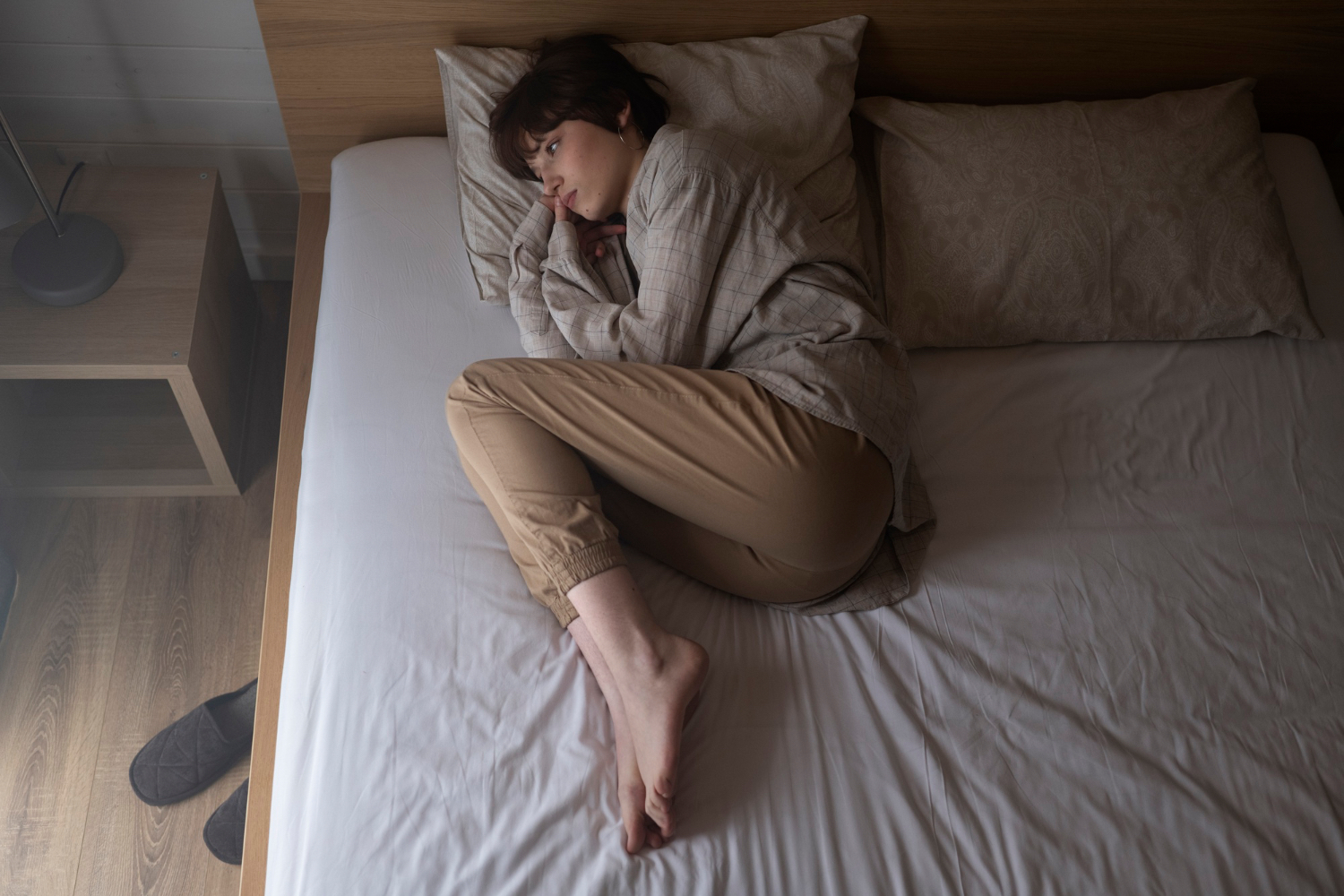
Why Can’t I Fall Asleep Even When I’m Tired?
A clear guide to the frustrating gap between feeling exhausted and actually being ready to sleep, and why falling asleep depends on more than tiredness alone.
15 min read
Read article

Why Do I Wake Up Groggy Every Morning? Sleep Inertia, Timing, and Common Causes
A clear guide to why mornings can feel heavy, foggy, and slow, and why waking up refreshed depends on more than just getting enough hours in bed.
14 min read
Read article

Why Does My Sleep Schedule Keep Getting Later?
A practical guide to why bedtimes slowly drift later, how daily timing signals shape the body clock, and why fixing sleep often starts long before bedtime.
16 min read
Read article

Why Am I Sleepy at 8 PM but Wide Awake at Bedtime?
A practical guide to why you can feel sleepy early in the evening, push through that window, and then feel strangely alert when you finally try to go to bed, plus what to change so bedtime feels easier.
24 min read
Read article
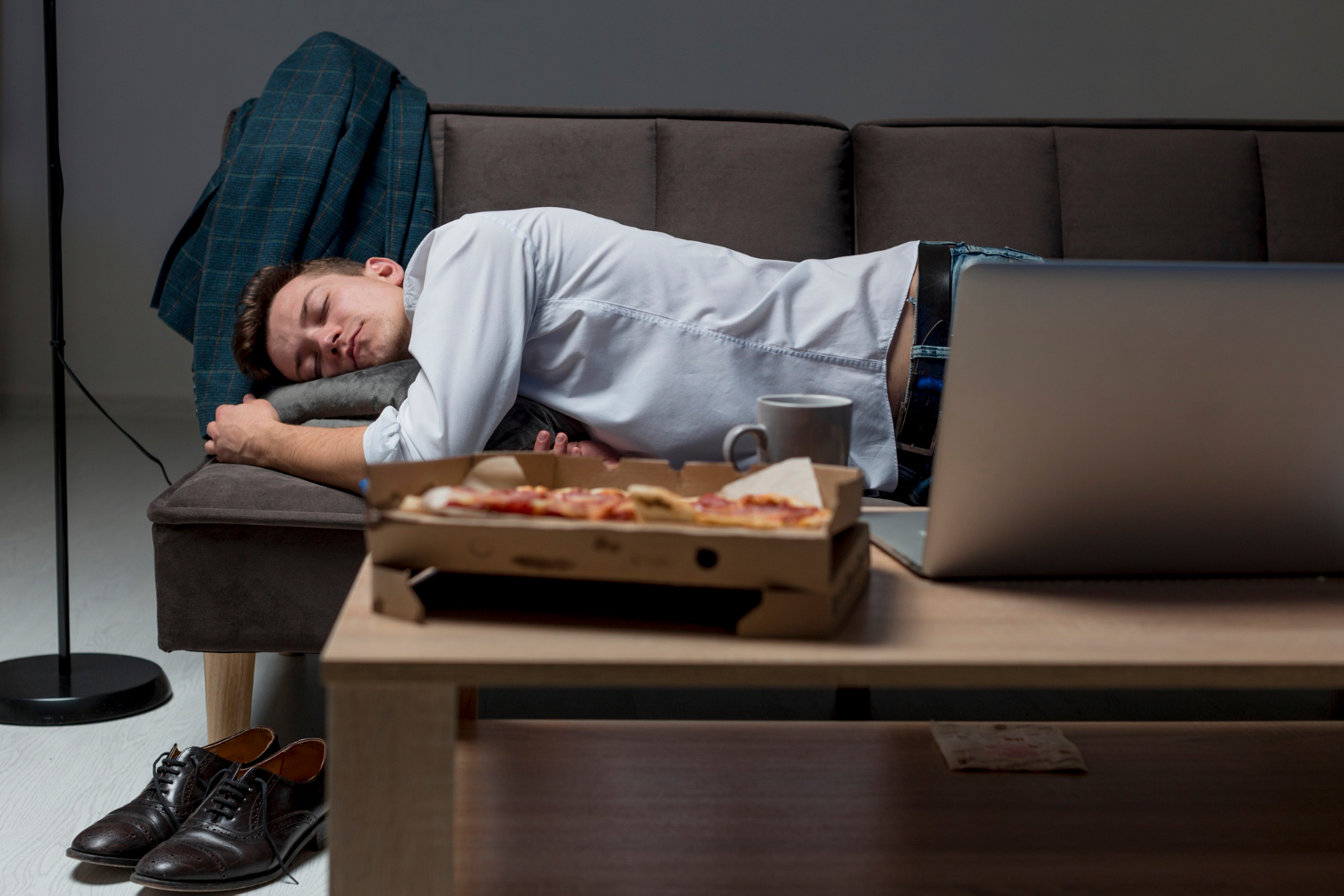
Why Do I Fall Asleep After Dinner and Then Can’t Sleep at Bedtime?
A clear explanation of why an early evening crash can make bedtime harder later, and how post-meal sleepiness, evening naps, light, and timing can split your night.
16 min read
Read article
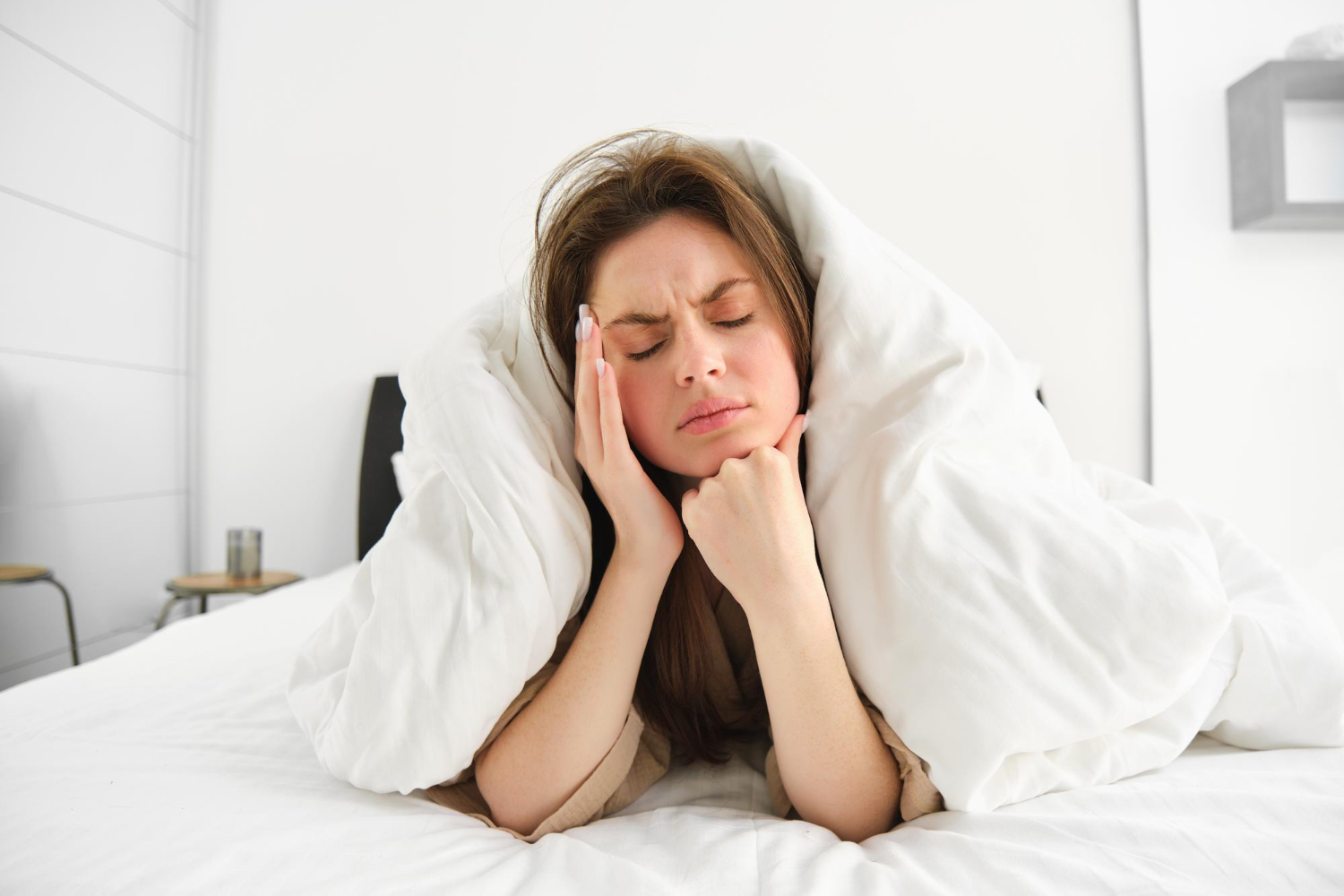
Why Do I Feel Worse After Going Back to Sleep in the Morning?
A clear explanation of why extra sleep after waking naturally can sometimes leave you groggier, heavier, or more tired than getting up the first time.
17 min read
Read article

Why Do I Get Sleepy While Reading but Feel Awake When I Go to Bed?
A clear explanation of why reading can make you drowsy, why that sleepiness can disappear when you get ready for bed, and how your evening routine can accidentally wake your brain back up.
14 min read
Read article
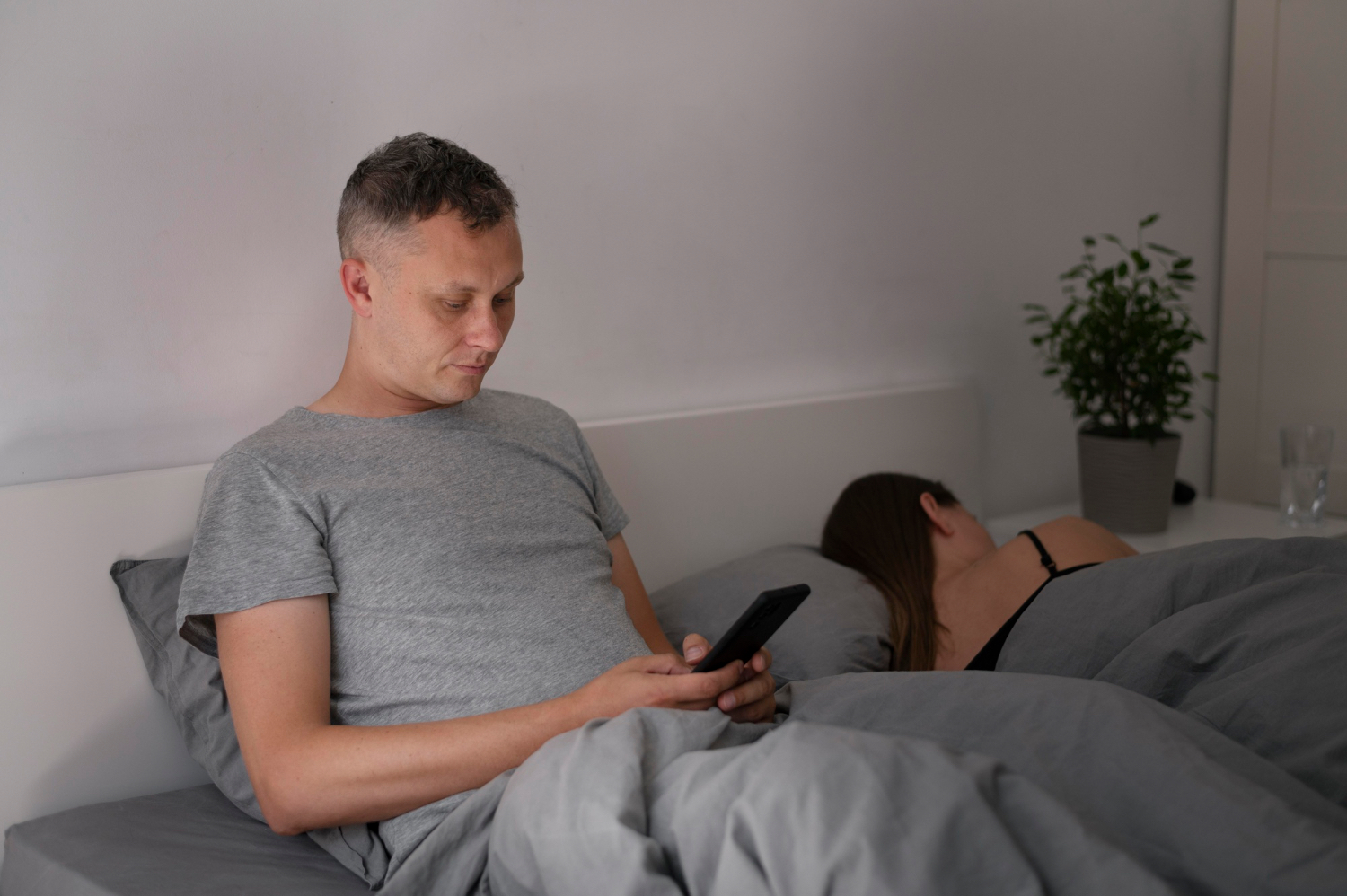
Why Do I Sleep Worse on Rest Days?
A clear explanation of why rest days can sometimes make sleep worse, including lower sleep pressure, weaker morning signals, less movement, and a flatter daily rhythm.
13 min read
Read article

Why Can’t I Sleep on an Empty Stomach?
A clear explanation of why hunger can make it harder to fall asleep, how meal timing and fasting windows can affect bedtime, and what to do if eating late also disrupts your sleep.
13 min read
Read article
Why Can’t I Sleep in a Calorie Deficit?
A clear explanation of why cutting calories can sometimes make sleep worse, including hunger, under-fueling, stress signals, exercise demands, and meal timing.
16 min read
Read article

Why Do I Sleep Better When I Eat Carbs at Night?
Why some people sleep better after eating carbohydrates in the evening, what kind of carbs are most likely to help, and how timing, amount, and meal composition can change the effect.
13 min read
Read article

Why Can’t I Sleep After Leg Day?
Why heavy leg workouts can sometimes make sleep worse, including body temperature, nervous system activation, soreness, recovery demand, fueling, and workout timing.
14 min read
Read article
Why Do I Sleep Better When I Don’t Have to Wake Up Early?
Why sleep can feel effortless on an open morning but strangely difficult when an alarm, early shift, flight, or important day is waiting.
14 min read
Read article