

Pairing Circadian Sleep Optimization with Other Health Habits
A guide to how meals, exercise, caffeine, and other habits can reinforce Circadian Sleep Optimization when their timing works with your biology.


If you missed our introduction to Circadian Sleep Optimization, read that first, then come back to see how to stack other habits on top of it.
Read: What is Circadian Sleep Optimization?
Why pairing multiplies results
Circadian Sleep Optimization sets the timing for your biology. When other habits follow that timing, you get cleaner signals, stronger rhythms, and better outcomes.
- Clear signals: Light, meals, movement, and temperature act as time cues. Align them and the body reads a single story rather than mixed messages.
- Better sleep architecture: Aligned inputs support deeper slow wave sleep and more stable REM cycles.
- Energy you can predict: Consistent timing raises rhythm amplitude, which feels like steadier focus and fewer crashes.
- Fewer tradeoffs: Habits like late meals or late high intensity training can work, but only if their timing respects your sleep window.
Nutrition pairing

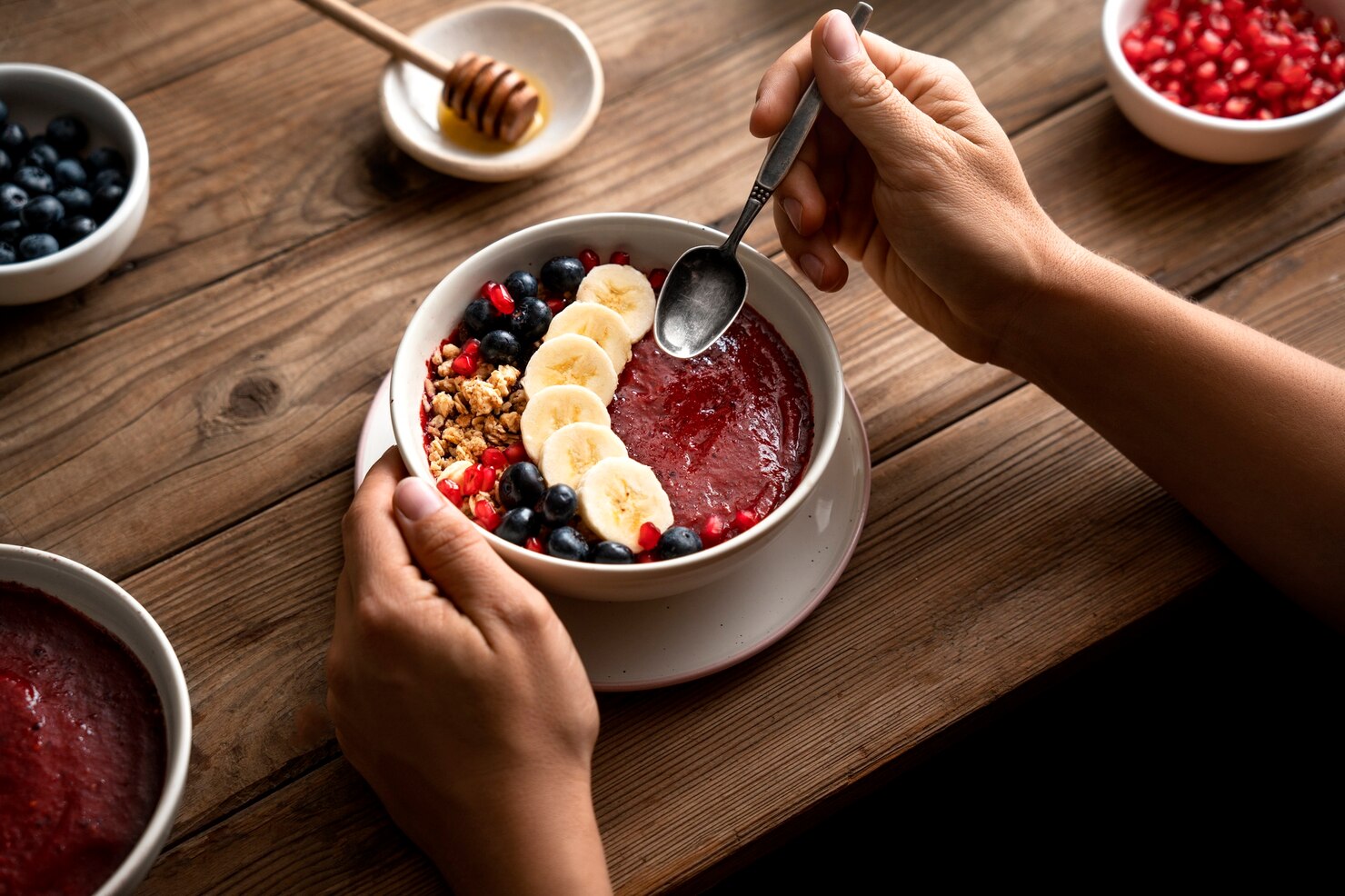
Simple rules that play well with your clock
- Front load most calories: Place larger meals earlier in the day and keep dinner lighter to support night time physiology.
- Create a stable eating window: Aim for a consistent daily window that ends a few hours before bed.
- Move caffeine earlier: Delay the first coffee 30 to 90 minutes after waking and set a personal cutoff in the early afternoon.
- Alcohol with care: Alcohol can significantly impair sleep. If used, keep it modest and earlier with food to protect REM rich sleep.
Try this for one week
- Anchor breakfast: Eat within 2 hours of waking on most days.
- Lunch as your main meal: Put the largest, most nutrient dense meal at midday.
- Light dinner: Finish eating 3 hours before your target bedtime.
Exercise pairing

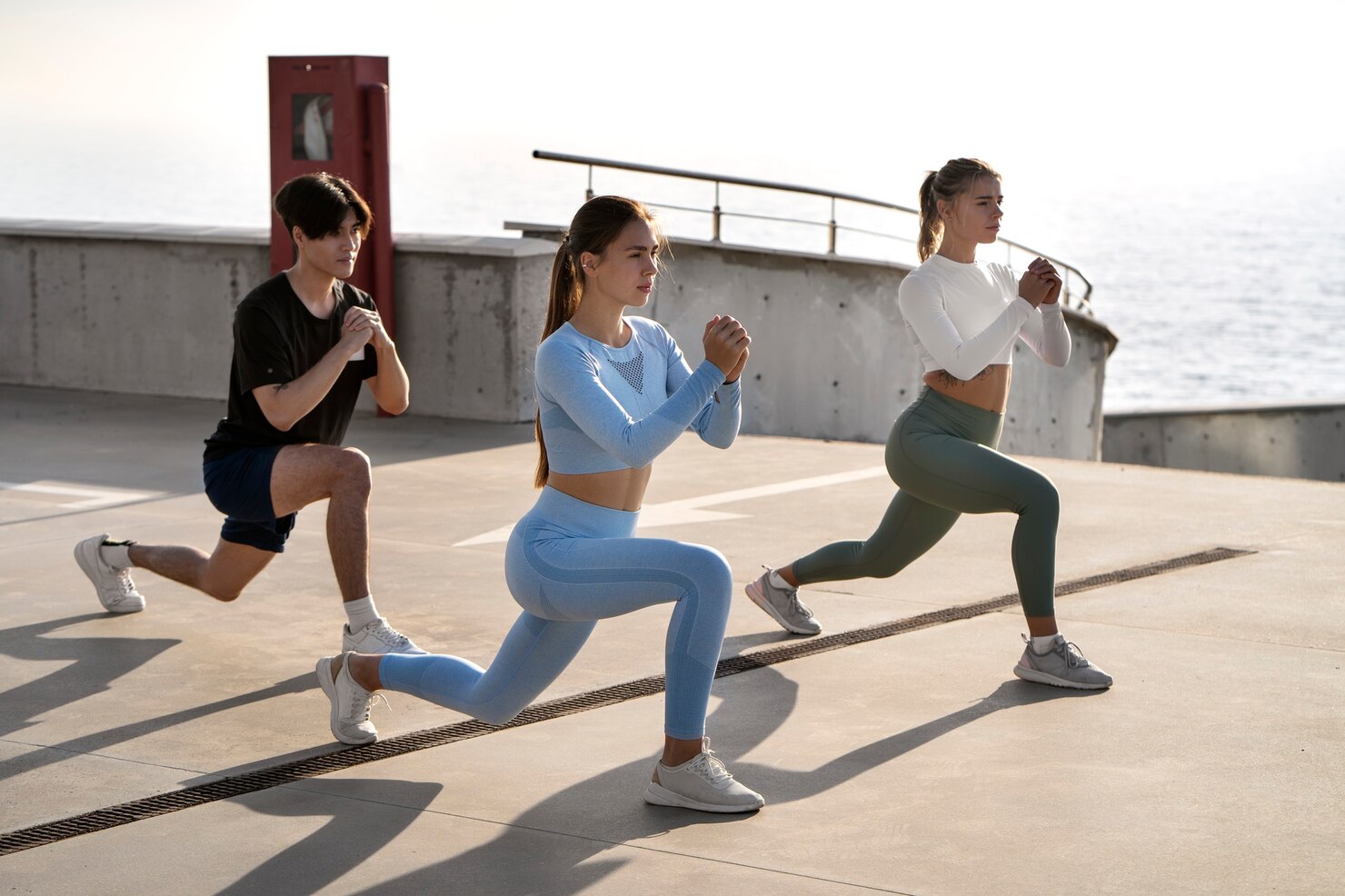
Movement is a powerful zeitgeber. Use it to reinforce the timing you want.
- Morning or early afternoon training: Great for alertness and sleep onset at night.
- Late afternoon strength: Often a performance sweet spot while still friendly to sleep.
- Evening sessions: If nights are your only option, keep intensity a bit lower, finish at least 3 hours before bed, and extend your wind down.
- Pair with light: Train in brighter light earlier in the day. Dim lights and use a calmer cooldown in the evening.
Quick templates
- Focus day: Short outdoor walk after waking, resistance session at lunch, 10 minute easy walk after dinner.
- Recovery day: Gentle morning mobility and sunlight, easy zone 2 in the afternoon, stretch in low light before bed.
Mental performance pairing

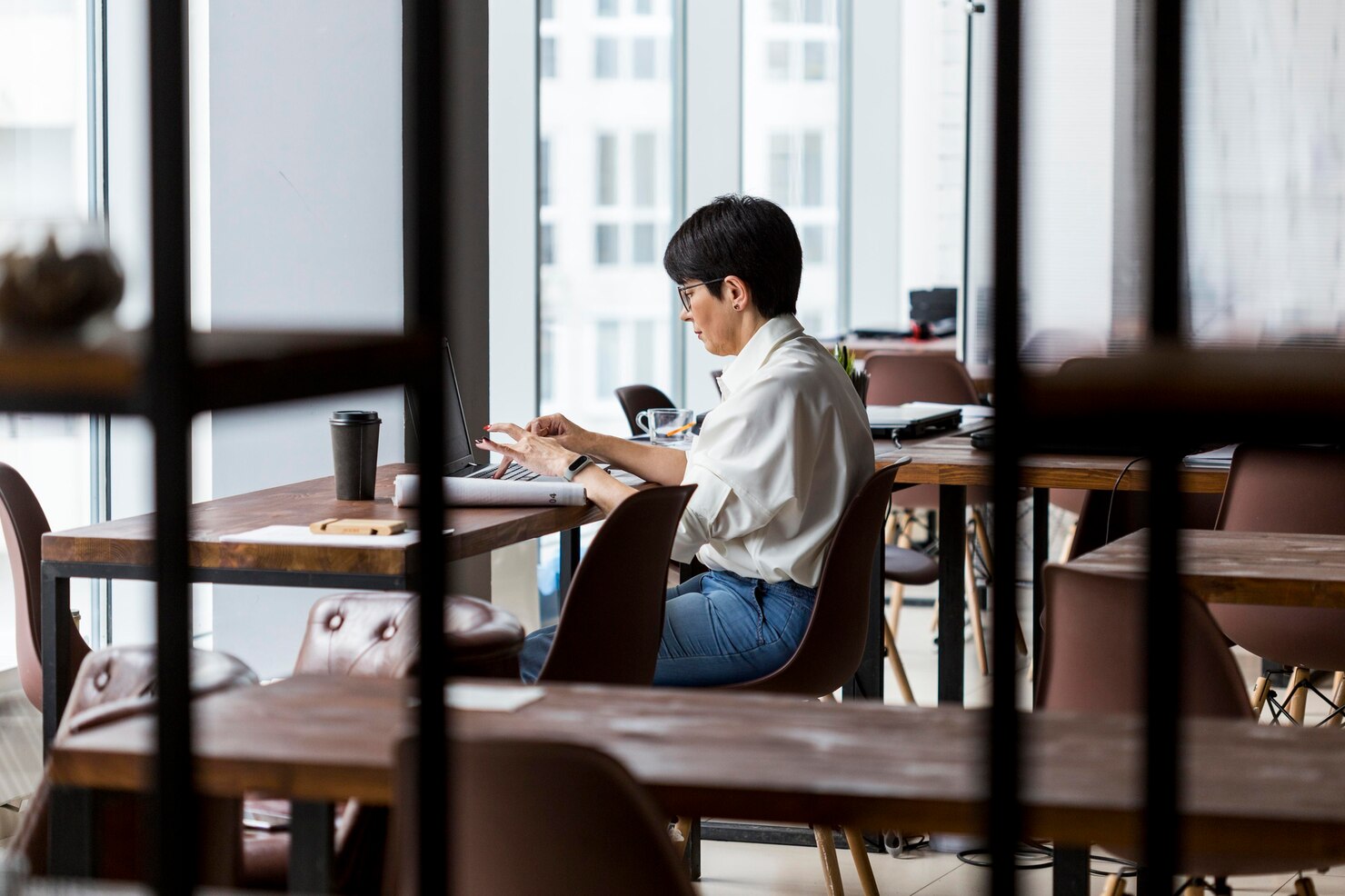
Align deep work and meetings with your natural alertness curve for smoother productivity.
- Morning anchors: Bright light, light movement, and no instant caffeine help clear sleep inertia.
- Block deep work earlier: Schedule your most cognitively demanding tasks during your first two alertness peaks of the day. (If you're a night owl, deep work may be better suited for evening, but be mindful of light and over stimulation.)
- Breaks with daylight: Use short outdoor light breaks to reset vigilance without overusing stimulants.
- Evening ramp down: Shift creative or administrative tasks earlier and keep nights for low arousal activities.
Recovery and temperature pairing

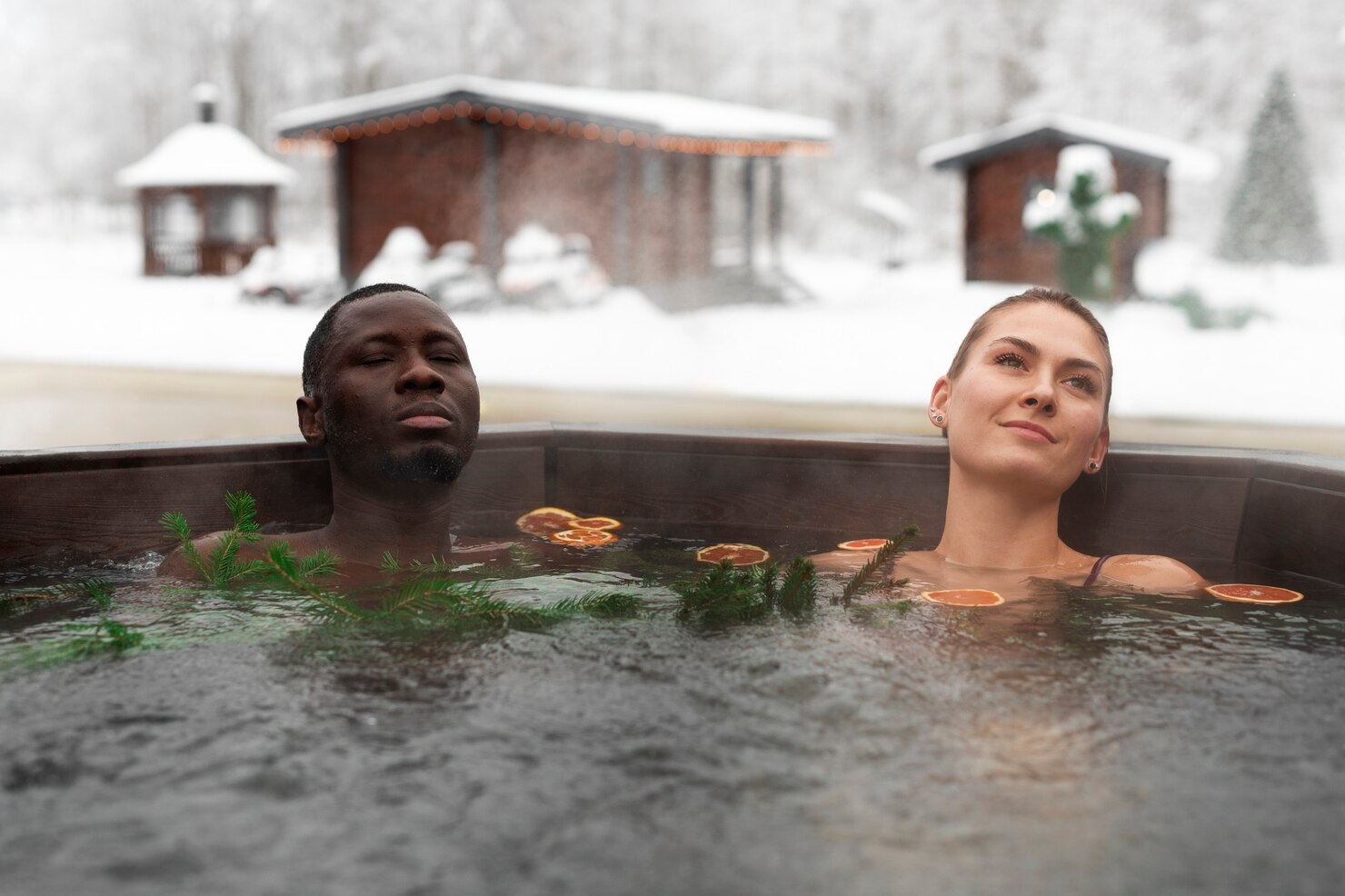
- Warm then cool: A warm shower or sauna helps relaxation, but allow core temperature to drop before bed.
- Cold with care: Place intense cold exposure earlier in the day or well away from bedtime.
- Protect the sleep window: Keep the bedroom dark and cool, and avoid heavy meals or hard training late at night.
- Smart naps: Short naps before mid afternoon only, and skip if they delay bedtime.
Habit stacks that work
- Morning stack: Hydrate, 10 minute outdoor light walk, mobility, breakfast within 2 hours, first caffeine after that.
- Daytime stack: Brighter workspace, lunch as the main meal, 20 to 40 minute training, brief daylight breaks.
- Evening stack: Dim lights, lighter dinner, short neighborhood walk, warm shower, quiet wind down.
Playbooks by goal
- Fat loss focus: Front load protein and fiber, keep dinner lighter, walk after meals, protect bedtime.
- Muscle gain focus: Prioritize lunch post training meal, enough total calories earlier in the day, consistent sleep for growth.
- Shift work survival: Use bright light and caffeine to start the shift, dark glasses post shift, anchor sleep in a cool, dark room, keep meals small late at night.
- Frequent travel: Adopt destination light and meal timing on the plane day, morning outdoor light on arrival, short afternoon workout to set the new phase.
What to track
- Sleep onset and awakenings: Faster sleep onset and fewer wake ups signal better alignment.
- Wake ease: Less grogginess and less alarm dependence are green lights.
- Daytime energy and focus: Use a simple 1 to 5 rating at midday and early evening.
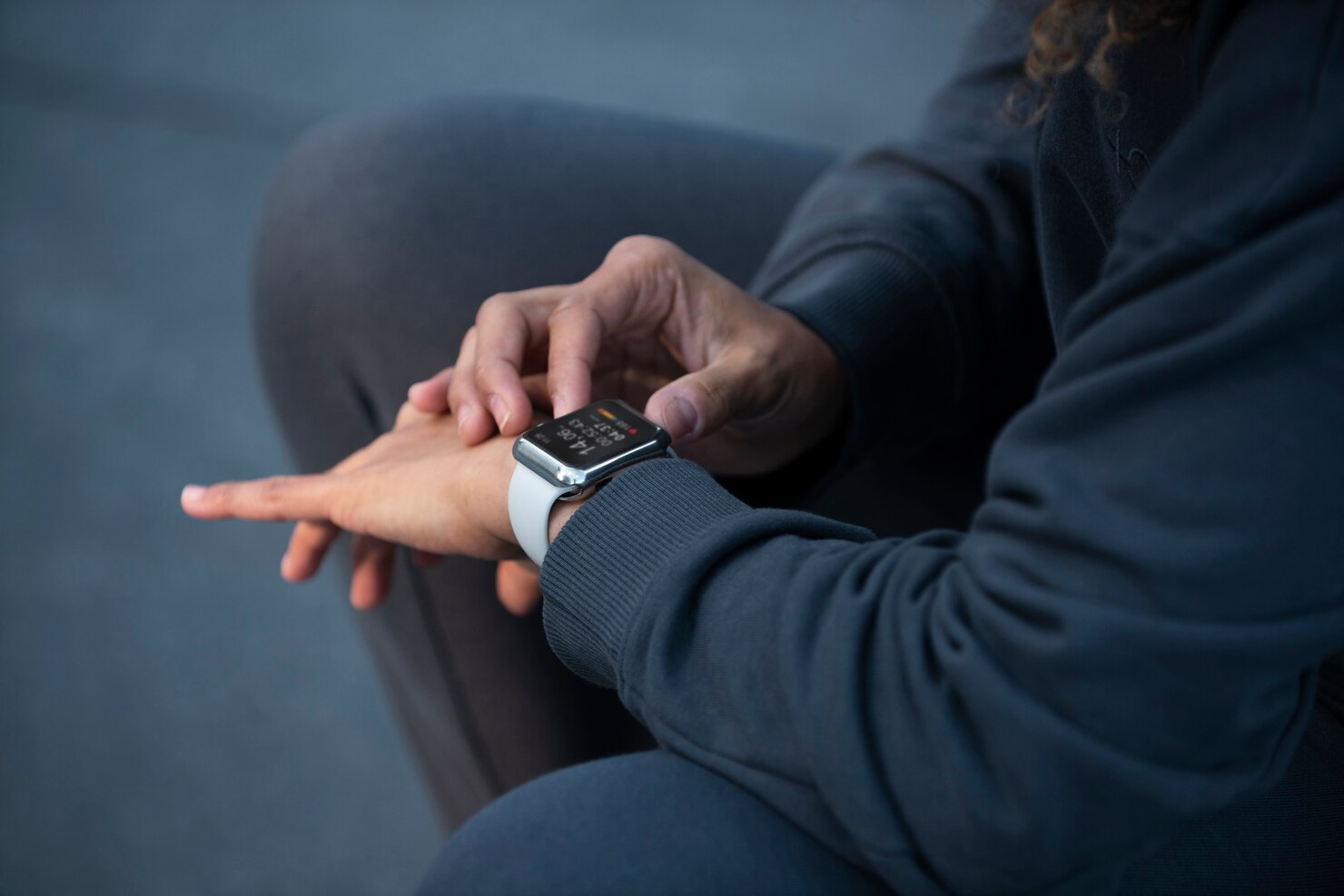
- HRV and resting heart rate: Helpful if you use wearables, but let subjective signals lead.
Bring it together this week
- Pick your sleep window: Choose a sleep window (consistent and adequate time from in-bed to wake up) you can protect on most days.
- Set three daily anchors: Morning outdoor light, lunch as the main meal, dim lights 2 hours before bed.
- Choose one stack to start: Morning, daytime, or evening. Make it effortless, then add the next.
Next up:
Circadian Sleep Optimization is a foundation that unlocks everything else. Next, we explain why it is step one in personalized health and how other interventions depend on it.
Why Circadian Sleep Optimization is Step One in Personalized Health Optimization