

The Health Costs of Poor Circadian Alignment
An overview of how circadian misalignment shows up in daily life and why it can quietly affect far more than just how tired you feel.


In our previous article we defined Circadian Sleep Optimization. If you missed it, start here for the overview and core definition.
Read: What is Circadian Sleep Optimization?
Why misalignment harms the body
Your circadian system is a 24 hour timing network that coordinates sleep architecture, hormone release, metabolism, immune readiness, cardiovascular tone, and cognitive performance. When the clock is out of sync with your schedule, the timing of these processes drifts. Sleep becomes lighter or fragmented, daytime alertness drops, and recovery slows.
- Hormone timing errors: Melatonin peaks late into the morning or never rises enough at night. Cortisol rises too early or too late, which blunts morning energy and can raise evening alertness.
- Sleep architecture disruption: Less deep sleep and unstable REM cycles mean weaker memory consolidation and slower physical recovery.
- Metabolic mismatch: Glucose tolerance and insulin sensitivity decline at misaligned times, raising post meal spikes and increasing appetite volatility.
- Autonomic imbalance: Higher nighttime sympathetic activity elevates resting heart rate and reduces heart rate variability.
- Low grade inflammation: Clock disruption alters immune signaling, which can prolong soreness and increase illness susceptibility.

Short term warning signs
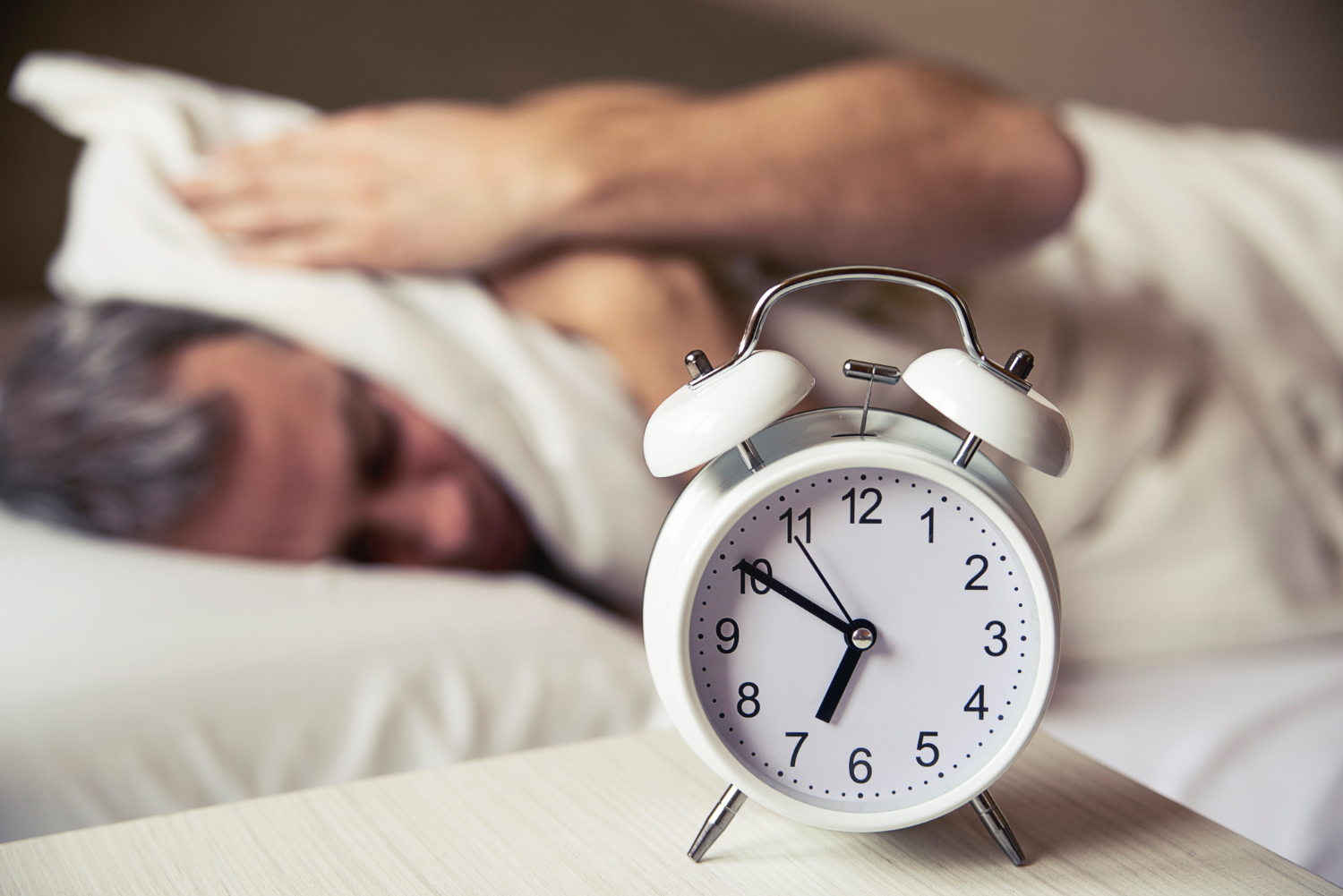
The biggest sign that your sleep is misaligned is that you need an alarm to wake up, but there are other early signals that your circadian system is out of sync with your life, such as:
- Trouble falling asleep on time: You feel alert late at night but sluggish in the morning.
- Morning grogginess: Sleep inertia lasts 60 to 120 minutes despite adequate time in bed.
- Energy crashes: Midday slumps that require caffeine to push through.
- Variable appetite and late night snacking: Cravings rise when the clock is shifted later.
- Mood swings and brain fog: Irritability and reduced focus during misaligned windows.
These signals often appear before measurable disease risk rises. Catching them early prevents downstream problems.
Major health domains affected
One night of bad sleep is not a crisis, but chronic misalignment builds up over time. Here are the major health domains that suffer:
- Metabolic health: Misalignment reduces insulin sensitivity, increases evening hunger, and makes weight control harder.
- Cardiovascular function: Blunted day night rhythms in blood pressure and heart rate raise long term risk.
- Mental health and cognition: Less deep and REM sleep relate to higher anxiety and lower executive function.
- Immune readiness and recovery: More frequent minor illnesses and slower bounce back from training or stress.
- Longevity and healthspan: Chronic misalignment is linked to shorter lifespan and earlier onset of chronic disease.
The great news is that if you suffer from one or more of these issues, you may not need to treat them individually with pharmacology or other interventions. Instead, you can treat the root cause with Circadian Sleep Optimization and focus on aligning your circadian system with your daily life, which will help improve all of these areas at once.


Who is most at risk
- Shift workers and frequent travelers: Repeated phase shifts keep the clock in constant catch up mode.
- Night owls with early obligations: Social jet lag forces wake times that cut into the last sleep cycles.
- Students and knowledge workers: Screen bright evenings plus dim indoor days weaken circadian signals.
- New parents and caregivers: Fragmented nights and irregular schedules make alignment difficult.
A quick self check
- Compare weekdays and weekends: If your sleep midpoint shifts by more than 2 hours, you likely have social jet lag.
- Track morning alertness: If you need an alarm plus caffeine to feel functional most days, alignment is likely off.
- Notice late evening second winds: A surge of alertness after 10 pm suggests too much light or stimulation late in the day.
- Do you go to sleep at 5am?: If you find yourself going to sleep at sunrise, that is a strong sign that your circadian rhythm has drifted significantly.


What alignment restores
- Reliable sleep onset and fewer awakenings: You fall asleep when you intend to and stay asleep.
- Natural waking without an alarm: You wake close to your target time feeling ready to move.
- Higher daytime performance: Stable energy, stronger focus, and steadier mood.
- Better biomarkers over time: Improved resting heart rate, HRV trends, and more favorable glucose patterns.
Circadian Sleep Optimization focuses on alignment, not just more sleep. The right timing unlocks the full regenerative power of rest.
If you suspect misalignment
- Anchor bed time: Pick a bed time that works most days and protect it within a 30 minute window.
- Get outdoor light soon after waking: Bright light in the first 30 minutes sets phase for the day.
- Keep days bright and evenings dim: Increase daytime light and reduce light intensity and short wavelength exposure at night.
- Place food and caffeine earlier: Front load calories and set a personal caffeine cutoff in the early afternoon.
We will go deeper on the science of these levers in the next article.
Next up:
Curious how light, temperature, meals, caffeine, and exercise actually shift your clock and improve outcomes?